What a 20x30 Wall Portrait Costs to Produce, Line by Line
Print, mount, frame, box, ship, process the card, remit the tax, then pay yourself for retouching. A line by line build of what one large wall portrait really costs a solo studio to deliver.
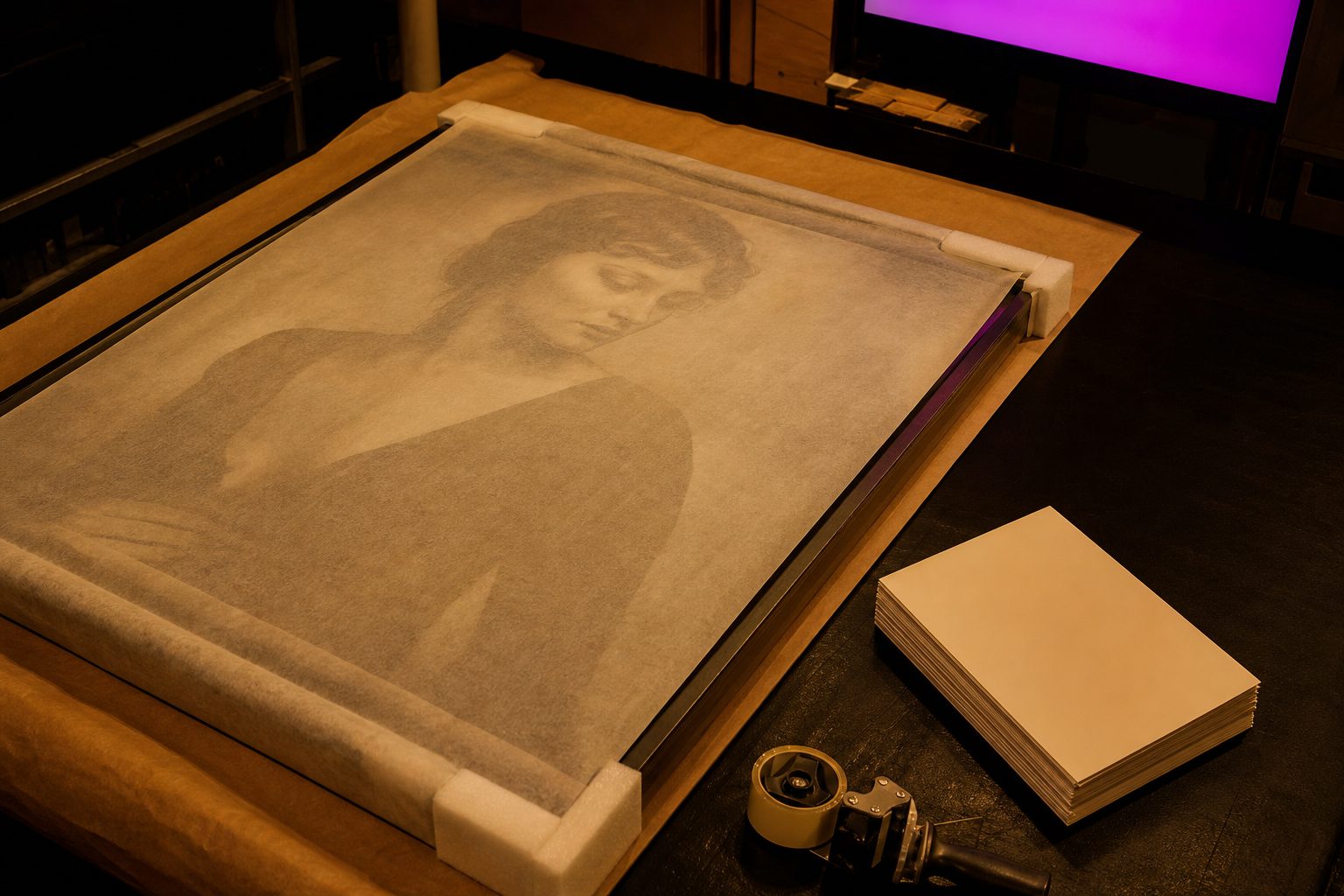
Cost of goods: lab print, mounting, frame and glazing
Every 20x30 wall portrait starts with a print, either photographic or inkjet, usually ordered from a professional lab. The cost depends on paper type, finish, and whether you select a name-brand lab or a more budget option. For most portrait photographers, a single 20x30 print on archival paper falls into a predictable cost band. Canvas or specialty finishes push the base higher.
Next comes mounting. Mounting stiffens the print for display and prevents warping. Common choices include foam board, gator board, or masonite. Each adds a few dollars and a bit of bulk. The board's thickness and finish can affect price, so it is important to match the mounting to the client's framing expectations.
Framing is where costs can vary the most. Ready-made frames in standard 20x30 sizes exist, but most portrait studios offer custom framing to suit the client's décor. The price rises with higher quality wood, complex profiles, and hand finishing. Don't overlook glazing if you are framing a paper print. Glass or acrylic adds both cost and shipping weight, with acrylic being safer for transport but typically more expensive.
For any studio, the combined outlay for print, mount, frame, and glazing is the foundation of the cost of goods. Skimping here risks product quality and client satisfaction. Each step should be logged as a separate cost line in your workflow, not simply as a bundle from the lab invoice.
Keep reading: A Day Inside a Pro Photo Lab: What Happens to a Print Order
Packaging, insurance and the shipping leg studios forget to price
Once the wall portrait is finished in the lab, it needs protection for the journey to your studio or directly to the client. Packaging is more than just a cardboard box. Double boxing is standard for large framed pieces. Corner protectors, bubble wrap, and acid-free paper add both security and cost.
Insurance is a line item many solo photographers overlook. If your lab ships the finished piece, they may include a token amount of coverage, but it's rarely enough to cover a damaged custom frame. If you handle delivery yourself, insuring the package for the sale value is prudent. That cost is based on declared value, not just the print cost.
The return trip and client delivery
Many studios forget to price the "last mile" , the journey from your studio to the client's wall. If your clients pick up in person, there are still packaging and handling costs to consider. If you deliver or ship, factor in mileage, time, or third-party courier fees. For clients out of town, shipping a 20x30 framed print can easily add a significant cost, especially with express services or signature on delivery.
Every packaging and shipping step should be treated as a direct cost, not absorbed as overhead. The true delivered cost to the client's hands is always higher than just the lab's shipping charge.
Card processing fees on a single large order
Clients buying a 20x30 wall portrait often pay by card, whether credit or debit. Processing fees are unavoidable. Most payment processors charge a flat percentage per transaction, plus a small fixed fee. For a high-ticket item like a custom wall portrait, the percentage is the larger part.
For example, if your processor charges 2.9 percent plus thirty cents per transaction, a thousand dollar portrait sale results in a fee of $29.30. Some processors charge more for premium cards or rewards cards, and there may be extra for card-not-present transactions. Always check your monthly settlement statements: the percentage you see advertised might not match the effective rate after all fees are counted.
Card fees are a direct cost of doing business. They should be included in your calculation of total costs for each order, not buried in general expenses. This also matters for refund scenarios, since many processors now keep their fee even when you return money to the client.
Keep reading: How to Register a Year of Portrait Work With the Copyright Office
Sales tax collected is not revenue, and how to hold it
Sales tax is a pass-through. When you collect tax on a sale, that money belongs to the state, not your studio. Rates and rules differ by location, but in most states, physical prints and framed art are taxable. Digital files may or may not be, depending on local law.
It is essential to separate collected sales tax from your operating funds. Many solo photographers keep a business account and a separate tax holding account. After each sale, transfer the tax portion out right away, or at least track it in your bookkeeping. This avoids the trap of spending money that must later be sent to the tax authority.
When calculating the true cost and margin on a wall portrait, do not count the tax as part of your revenue. Only the pre-tax sale price is relevant to your profit calculation. If you include tax in your gross, you will overstate your income and potentially underpay yourself.
Retouching and delivery time priced at a real studio hourly rate
Retouching is time-intensive, and for a 20x30 portrait, clients expect perfection. Removing blemishes, flyaway hairs, stray reflections, or background distractions can take half an hour or much longer, depending on the file. Complex composites or painterly finishes take even more time.
Many solo studios undervalue their own time. To price retouching, start with an honest baseline for what you must earn per hour to pay yourself, cover self-employment tax, and keep the studio lights on. Do not use minimum wage: a professional rate reflects your experience, gear, software, and overhead.
Delivery, hanging, and client review
Delivery is not just shipping. If you offer in-home installation, there is time spent driving, carrying, and mounting the portrait. Even if clients handle hanging themselves, you may spend time on calls or emails answering questions. These hours add up over a month.
Add your retouching and delivery hours, multiplied by your hourly rate, as a line item in every wall portrait job. This gives you a more truthful picture of what it takes to get a finished piece from capture to the client's wall.
See how ProofRoom handles this for photography
Markup multiples, and why three times cost often is not enough
Photographers often hear that retail pricing should be three times the cost of goods. For a 20x30 framed print, if your total hard costs are $250, the rule suggests a sale price of $750. But this "triple" rule breaks down for solo studios with limited volume and high labor content.
Markup must cover not just print and frame, but packaging, shipping, card fees, retouching, hours spent on client communication, and a share of your business overhead. If you spend three hours retouching, another two on delivery and follow-up, and a chunk on card fees, the real cost can push your outlay much higher. The three-times rule ignores taxes, insurance, and the cost of running a true professional operation.
In practice, profitable studios often find their actual markup on high-touch wall portraits needs to be closer to four or even five times the hard cost, especially if the studio produces only a few dozen of these pieces a year. If you offer a high service level, with custom framing and in-person delivery, your time and risk must be priced in. Otherwise, you are subsidizing the client's art from your own pocket.
Markup also needs to absorb seasonal slow periods, marketing costs, and the occasional remake for print defects or shipping damage. Only by reviewing your costs line by line can you decide if your pricing is sustainable for the long term.
Rebuilding these numbers from your own year of lab invoices
The only way to know your true cost per wall portrait is to audit your actual expenses for at least a year. Pull your lab invoices for every 20x30 print you sold. List the print, mounting, and framing charges for each job. Add shipping fees, packaging, and any insurance purchased.
Next, add line items for card processing, bank fees, and refunds processed. Track your retouching and delivery hours per job, if you have not recorded them, estimate conservatively based on your busiest weeks. Include a fair hourly rate for yourself, not just what you paid a retoucher or assistant.
Summing these numbers shows your average out-of-pocket cost for each job, not just the direct lab spend. Compare this figure to your portrait pricing. If the margin looks thin, you may need to adjust your pricing structure or the service level you offer. Use your own data, not someone else's formula, to make these calls.
Studios that make this review part of their year-end or quarterly routine catch creeping costs earlier. The process also helps when setting new prices, negotiating with labs, or deciding when to offer free shipping or upgrades. By using a client proofing and ordering platform that tracks costs and revenue per order, it becomes much easier to keep your numbers updated and spot trends before they erode your profit.
Read also
Three more pieces from The Proof Sheet on the craft, the pricing and the paperwork behind a portrait studio.
A Day Inside a Pro Photo Lab: What Happens to a Print Order
Files land, an operator color corrects, paper runs through chemistry, and someone packs a box that has to survive a truck. A walk through a professional lab, and what it wants from your order.
How to Register a Year of Portrait Work With the Copyright Office
Group registration turns a season of sessions into one filing. Here is what published means for portrait work, which group option fits, and how the three month window protects your damages.
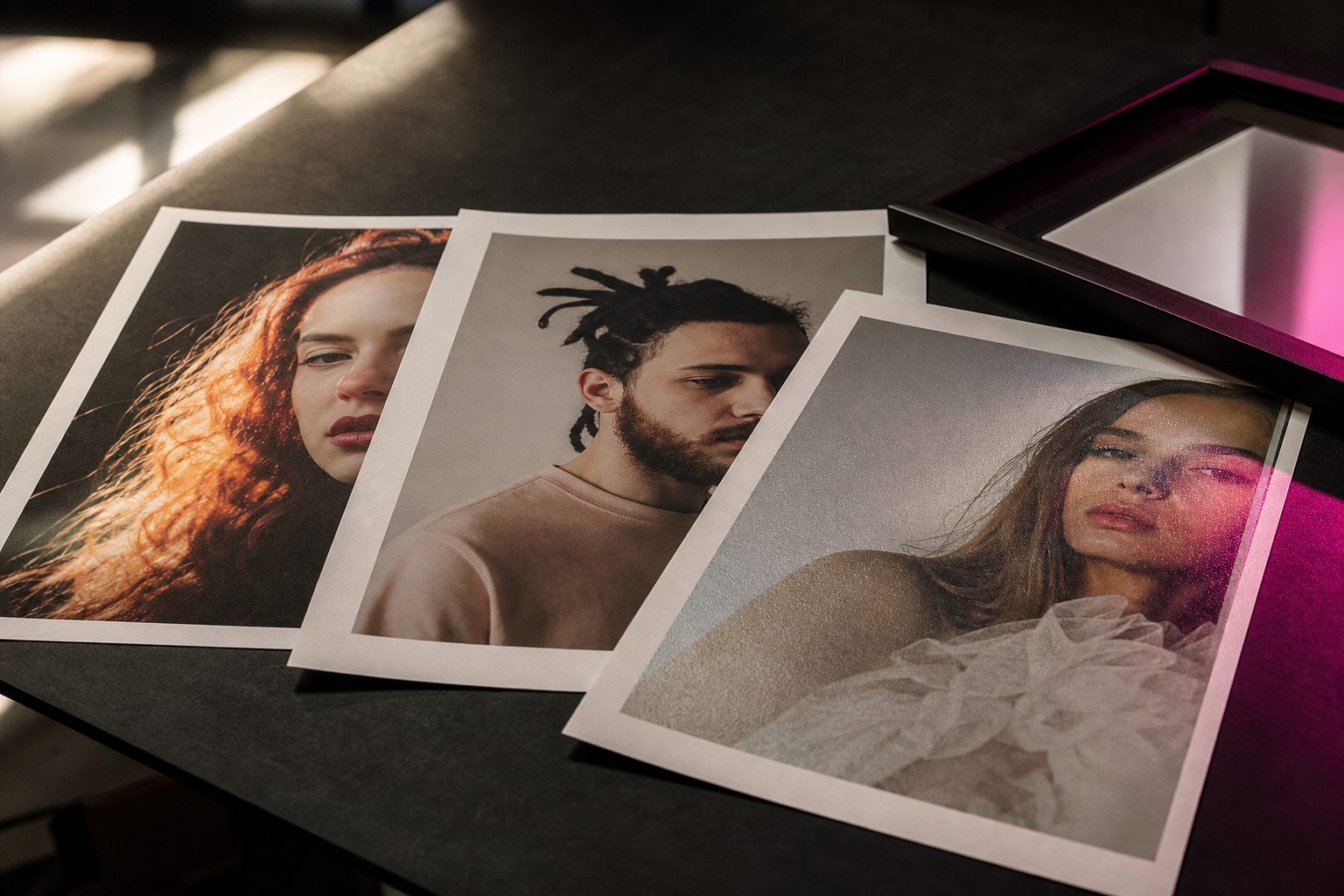
Lustre, Deep Matte or Metallic: Picking Lab Paper for Portraits
Paper surface decides how skin, hair and black clothing render on a wall. A working comparison of lustre, deep matte and metallic stocks, with the room conditions that make each one succeed or fail.